
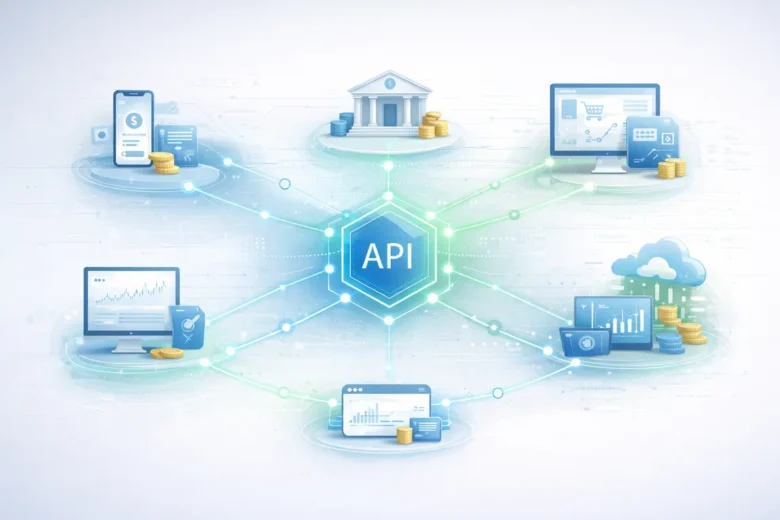
Financial markets are increasingly reliant on digital systems that connect banks, payment providers, investment firms, and financial technology companies. Government initiatives promoting open banking, real-time payments, and secure data sharing have accelerated the integration of these institutions. At the heart of this digital ecosystem are Application Programming Interfaces (APIs), which act as standardized channels for sharing data and initiating operations. These connections are monitored and regulated to ensure that digital integration does not compromise system stability or customer protection.
The reliability and governance of these connections affect everything from fund flows and cash management to customer onboarding and service delivery. Regulators monitor API usage closely, focusing on operational resilience, cybersecurity, and systemic risk mitigation. As a result, API connectivity has become an integral part of regulatory compliance and operational strategy for financial organizations.
APIs as the Backbone of Digital Finance
APIs provide a foundational layer that links disparate parts of the financial ecosystem.
- Banking APIs: Banks expose account information and enable third-party-initiated payments, facilitating seamless integration across platforms.
- Payment and Money Management: Payment processors, budgeting tools, and lending services use these APIs to provide unified, convenient experiences for end users.
In regions with open banking regulations, organizations are required to implement standardized APIs. These regulations aim to:
- Enhance competition by allowing third-party providers access to essential account information
- Improve data security through standardized protocols
- Enable smoother customer transitions between banks and services
Benefits for Investment and Cash Flow
- Faster loan approvals and credit checks
- Improved cash flow predictions and liquidity management
- Real-time integration of APIs into core banking systems, making digital interactions a central part of operations
However, increased connectivity also introduces interdependency risks. Disruptions in one platform can ripple across the system. To mitigate this, financial institutions implement redundancy, monitoring, and clear service agreements.
Regulatory Oversight and Data Governance
API connections are tightly linked to data protection and financial compliance. Regulators enforce strict rules regarding:
- Authentication: Passwords, tokens, and multi-factor authentication
- Encryption: Securing sensitive information during transit
- Access controls: Ensuring only authorized third parties access customer data
These requirements often align with broader cybersecurity frameworks and privacy laws.
Permission and Consent
- Customers must authorize third-party access to account data.
- Institutions maintain auditable records of consent and data access.
- Regulators evaluate whether these permission mechanisms are clear, revocable, and effective.
Third-Party and Vendor Management
Many financial platforms rely on external technology providers for API infrastructure. Supervisors require banks and fintechs to:
- Conduct due diligence on vendors
- Monitor vendor performance continuously
- Maintain contingency plans in case of service disruption
Cross-Border Data Challenges
APIs often transmit data across jurisdictions, each with unique privacy and financial regulations. Organizations must align operations with local rules, ensuring compliance while maintaining operational efficiency.
Standardization Efforts
- Common message formats and security standards simplify regulatory oversight
- Standardization reduces miscommunication and strengthens systemic resilience
- Regulators encourage collaboration to balance innovation with safety
Operational Resilience, Cybersecurity, and Risk Management
While API connectivity drives efficiency, it also increases cybersecurity and operational risks.
Cybersecurity Threats
- Unauthorized access attempts
- Denial-of-service attacks
- Credential theft
To mitigate these risks, financial organizations deploy:
- Intrusion detection systems
- Real-time monitoring of unusual activity
- Tokenization and other encryption methods
Business Continuity and Backup Planning
- High-availability systems spread operations across multiple servers and locations
- Disaster recovery plans define recovery time objectives (RTOs) and recovery point objectives (RPOs)
- Regulators test scenarios to ensure operational resilience under stress
Operational Risk Management
- Rate limiting and throttling prevent system overloads
- Event escalation plans coordinate responses across interconnected organizations
- Continuous monitoring ensures payment clearing, loan processing, and reporting are not disrupted during outages
Systemic risk is increasingly considered in enterprise-wide risk management, acknowledging that large-scale API failures can impact capital markets, credit flow, and payment networks simultaneously.
Market Competition, Innovation, and Investment Flow
APIs have transformed competition in financial services by allowing fintech companies to build applications on top of existing banking infrastructure.
Driving Innovation
- Development of budgeting apps, payment platforms, and lending tools
- APIs enable innovative services without replicating entire banking systems
- Platforms can quickly adapt to changing consumer needs
Enhancing Investment Flow
- Real-time account data improves cash management and credit assessment
- Faster payment processing reduces clearing delays, promoting market efficiency
Investor Confidence and Funding
- Platforms with robust API governance demonstrate operational readiness and cybersecurity resilience
- Weaknesses in API infrastructure can increase perceived risk and raise funding costs
- Continuous investment in API architecture ensures long-term competitiveness
Collaboration and Integrated Solutions
Connected systems foster joint product development between banks and fintech providers.
- APIs allow traditional banks to integrate with digital services, offering enhanced user experiences
- Financial institutions can maintain regulatory compliance while expanding service offerings
- Integration creates synergies that improve both efficiency and customer satisfaction
Standardization Efforts and Interoperability Challenges
Global efforts to standardize API design aim to reduce fragmentation.
- Industry groups develop common standards for authentication, data formatting, and error handling
- Standardization improves cross-platform compatibility and simplifies regulatory oversight
Remaining Challenges
- Legacy banking systems may struggle to integrate with modern APIs
- Investment in system upgrades can be costly and time-consuming
- Proprietary solutions by some organizations may limit interoperability, requiring regulatory monitoring to maintain open banking goals
Strategic Importance of APIs in Financial Platforms
API adoption in financial platforms reflects how regulatory compliance, cybersecurity, and operational efficiency converge.
- Digital connectivity is not optional—it is integral to risk management, investment flow, and system stability
- Effective APIs ensure smooth interactions between institutions, protect customers, and maintain market confidence
- Regulatory frameworks continue to evolve, balancing innovation with systemic safety
By combining standardization, strong governance, and robust cybersecurity measures, APIs are shaping the future of digital finance, enabling secure and efficient transactions across a highly interconnected ecosystem.
FAQs
1. What is the main role of APIs in financial platforms?
APIs link banks, fintechs, and payment systems, enabling secure data sharing and operations across platforms, improving efficiency and customer experience.
2. How do regulators oversee API use?
Regulators monitor cybersecurity measures, access permissions, vendor management, and compliance with privacy and financial laws to reduce systemic risks.
3. Why is operational resilience important for APIs?
Failures in API systems can disrupt payment processing, loan approvals, and market reporting, potentially affecting the broader financial system.
4. How do APIs promote competition in financial services?
By allowing fintechs to build on existing banking infrastructure, APIs foster innovation, reduce market concentration, and enhance service variety.
5. What are the main challenges in implementing API standards?
Legacy systems, proprietary solutions, and cross-border regulatory differences can limit interoperability, requiring careful planning and investment.