
Most people consider the financial system to be something distant—banks, governments, and global markets operating far beyond everyday life. But in reality, the financial system quietly shapes nearly every financial decision you make. From the interest rate on your savings account to the cost of borrowing money, from inflation affecting your grocery bill to the …

Life doesn’t always go as planned. A sudden job loss, an unexpected medical bill, urgent home repairs, or even a temporary drop in income can disrupt your financial stability overnight. These situations are not rare—they are part of real life. The difference between financial stress and financial resilience often comes down to one thing: whether …
Money rarely sits still. It moves—constantly, quietly, and often invisibly—through a complex network of banks, businesses, governments, and individuals. While most people only see the final step (money entering or leaving their wallet or bank account), the journey that money takes before it reaches you is far more intricate. Understanding how money flows in the …
Finance often feels complicated—not because it truly is, but because it’s usually explained using difficult terms, jargon, and abstract concepts. Words like “liquidity,” “capital allocation,” or “monetary policy” can make even simple ideas seem overwhelming. But here’s the truth: finance is simply about how money is earned, spent, saved, and grown. It’s something you already …
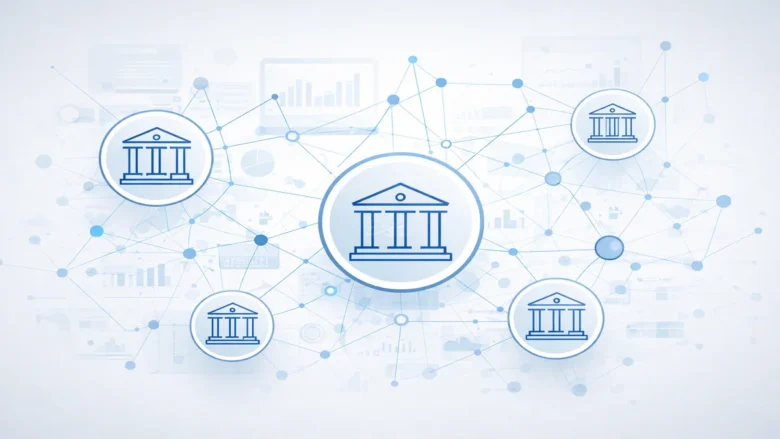
The Evolving Structure of Financial Markets Financial markets today are no longer just defined by exchanges and banks. Modern systems operate through layers of operational rules, reporting services, liquidity requirements, and supervisory technology that determine how transactions are processed and how risk is managed. Internal mechanisms shape balance sheet composition even before optional strategies are …
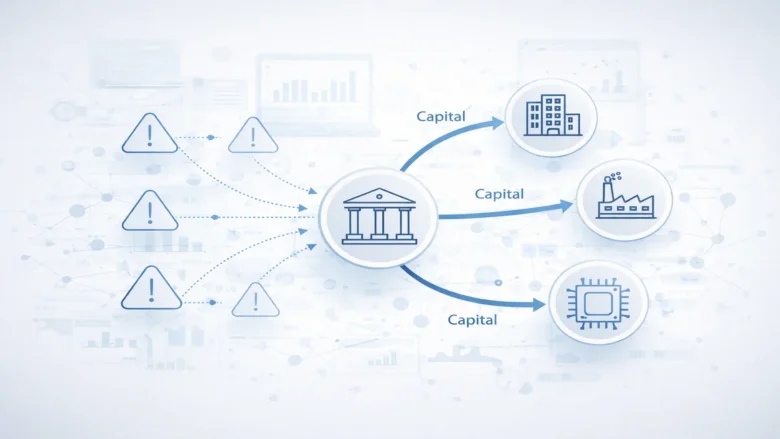
In today’s global financial system, capital moves through complex regulatory frameworks, interconnected funding sources, and trading platforms that shape how risk is managed and shared. Investment decisions are influenced not only by expected returns but also by rules for clearing trades, standards for reporting, margin requirements, and systems for monitoring financial institutions. Banks, institutional investors, …

Monetary infrastructure no longer evolves solely through incremental equipment upgrades or software acquisition cycles. Today, transformation unfolds within strategic planning, supervisory innovation, and coordinated regulation modernization programs. Payment rails, clearing frameworks, reporting systems, and compliance modules are being reconfigured in response to digitalization pressures, driven both by regulators and market participants. Financial institutions are not …

Digital connectivity has become a defining feature of modern financial systems. Payment networks, trading platforms, banking applications, and global settlement systems all rely on continuous data sharing. As money increasingly moves through digital channels, the resilience of financial institutions depends heavily on the strength of their cybersecurity frameworks. Regulators recognize this relationship and have integrated …
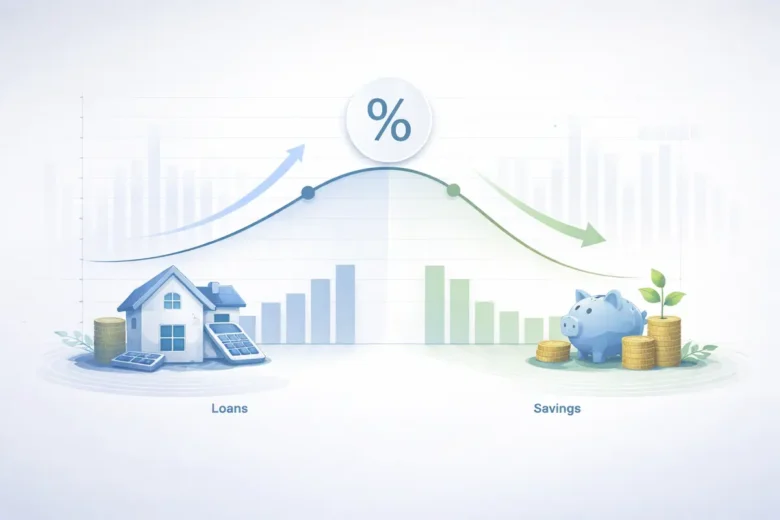
Central bank policy decisions don’t directly change your savings or mortgage rates. Instead, these decisions work through banks’ funding costs, balance sheets, and regulatory obligations before reaching your wallet. Your local bank acts as the middleman in this process. When interest rates change, banks reassess operating costs, expected profits, and liquidity needs. These adjustments then …

Over the past three decades, supervisory authorities, rating agencies, and capital markets have transformed how extreme-event risks are managed. Increasing climate instability, seismic concentrations in urban areas, and highly interconnected supply chains have forced insurers and reinsurers to rethink how balance sheets handle low-frequency, high-severity events. Regulatory frameworks increasingly integrate stress testing calibrated to extreme …