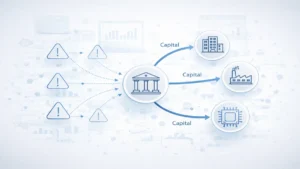

Property insurance markets operate in an increasingly complex environment shaped by natural disasters, urban development, and rising construction costs. These factors significantly influence the volume and complexity of insurance claims filed by policyholders.
After major disasters such as hurricanes, floods, or wildfires, insurers may receive thousands of claims within a short period. At the same time, regulatory authorities closely monitor insurers to ensure that claims are handled fairly, efficiently, and in accordance with consumer protection standards.
Within this environment, property insurance claims assessment systems play a critical role in maintaining financial stability for insurers. These systems determine how losses are documented, verified, evaluated, and ultimately settled under policy terms that must comply with regulatory requirements and solvency rules.
Modern claims assessment processes extend far beyond traditional manual inspections. Insurers now rely on digital claims platforms, remote inspection technologies, fraud detection tools, and actuarial reserving models. Together, these systems help insurers process claims accurately while maintaining transparency and regulatory compliance.
The structure of claims assessment systems therefore affects not only customer outcomes but also financial reporting, capital allocation, and reinsurance recoveries within insurance organizations.
Regulatory Environment and Fair Claims Handling Standards
Claims assessment procedures are heavily influenced by regulatory frameworks designed to protect policyholders. Insurance regulators typically establish rules that define how quickly insurers must acknowledge claims, investigate losses, and communicate settlement decisions.
These rules often include requirements for:
- timely claim acknowledgment
- transparent documentation of loss assessments
- fair settlement practices
- clear communication with policyholders
Insurance companies must maintain detailed documentation demonstrating that their claims procedures comply with these standards.
Regulatory audits frequently examine internal guidelines used by claims adjusters. Supervisory authorities assess whether insurers apply policies consistently and avoid discriminatory practices when evaluating claims.
Transparency also plays an important role. Policyholders are generally entitled to explanations regarding coverage decisions, depreciation calculations, and dispute resolution options. Claims systems must therefore record communications, inspection reports, and valuation decisions in auditable formats.
During large-scale disasters, regulators may temporarily modify claims processing requirements. For example, deadlines for documentation or inspection may be extended when insurers face unusually high claim volumes. Claims management systems must remain flexible enough to adapt to these temporary regulatory adjustments.
Claims Workflow Design and Operational Integration
Property insurance claims follow structured workflows designed to ensure accurate loss evaluation and efficient processing.
A typical claims process includes several key stages:
- Claim reporting and intake
- Initial review and verification
- Damage inspection and documentation
- Loss valuation and settlement determination
Modern claims management platforms integrate information from multiple sources, including policy administration systems, underwriting records, and historical claims databases.
Field adjusters often conduct property inspections using mobile applications that capture photographs, geolocation data, and standardized damage assessments. These tools allow adjusters to upload inspection results directly into central claims management systems.
Remote inspection technologies are also increasingly used. Aerial imagery, satellite data, and drone inspections allow insurers to assess property damage quickly, particularly after widespread disasters.
Complex claims may require collaboration among multiple professionals such as engineers, contractors, and forensic investigators. Claims systems frequently include vendor management modules that track expert reports and repair cost estimates.
Workflow automation helps insurers allocate resources efficiently. Simple claims involving minor damage may be processed quickly through automated valuation tools. Larger or more complex claims typically require additional review by senior claims specialists.
These workflows ensure that claims are processed consistently while maintaining appropriate oversight for high-value losses.
Damage Valuation Methods and Insurance Reserves
Accurate loss valuation is a central function of property insurance claims assessment systems.
Insurers generally rely on several valuation approaches, including
- replacement cost value (RCV)—the cost to replace damaged property with new materials
- actual cash value (ACV)—replacement cost minus depreciation
- policy limit assessments—maximum coverage defined in the insurance policy
Depreciation calculations often depend on factors such as property age, wear and tear, and maintenance condition. Regulatory frameworks frequently require insurers to explain these calculations clearly when communicating settlement offers.
Construction cost databases are commonly used to standardize repair estimates across geographic regions. These databases provide current pricing for building materials and labor, helping insurers generate consistent repair cost estimates.
After major disasters, repair costs may increase due to supply shortages or labor demand. Claims systems must therefore adjust valuation models to reflect post-disaster market conditions.
Loss estimates generated during claims assessment also feed into actuarial reserving systems. Insurers must estimate the total cost of claims that have occurred but may not yet be fully settled.
Accurate claims assessments help insurers maintain appropriate financial reserves and ensure compliance with solvency requirements.
Fraud Detection and Data Governance
Insurance fraud is a significant challenge within property insurance claims processing. Fraudulent claims can increase costs for insurers and ultimately lead to higher premiums for policyholders.
To address this risk, many insurers use predictive analytics and fraud detection tools that analyze patterns within claims data.
Fraud detection systems may examine factors such as
- claimant history
- claim frequency patterns
- geographic risk indicators
- inconsistencies in damage reports
When suspicious activity is detected, claims may be flagged for further investigation.
Data governance frameworks support the reliability of these analytics systems. Standardized data entry procedures help ensure consistent records across claims databases. Strict access controls protect sensitive customer information from unauthorized access.
Regulators increasingly evaluate how insurers use automated analytics tools. Insurers must ensure that algorithmic decision-making systems operate fairly and do not produce discriminatory outcomes.
Disaster Response and Operational Resilience
Natural disasters place significant pressure on insurance claims systems. Events such as hurricanes, floods, or earthquakes can generate large volumes of claims within a short time period.
Insurers must therefore design claims systems capable of scaling quickly during catastrophic events.
Many insurers rely on cloud-based technology infrastructure to expand system capacity when claim volumes increase. Mobile inspection teams and temporary claims offices may also be deployed in disaster-affected areas.
Financial management also becomes critical during large loss events. Claims payments must be processed promptly to support policyholders, while insurers must carefully monitor cash flow and reinsurance recoveries.
Accurate claims data helps regulators assess the financial stability of insurance companies following catastrophic events. Reliable claims reporting supports regulatory confidence and ensures that insurers maintain sufficient capital resources.
Claims data also contributes to catastrophe modeling and future risk analysis. Insurers use this information to refine underwriting strategies, adjust pricing models, and improve disaster preparedness.
Conclusion
Property insurance claims assessment systems are a fundamental component of modern insurance operations. These systems ensure that losses are evaluated accurately, policyholders are treated fairly, and insurers maintain financial stability.
By integrating digital technologies, regulatory compliance frameworks, and advanced data analytics, insurers can process claims efficiently while maintaining transparency and accountability.
As climate risks and urban development continue to increase the frequency and severity of property losses, robust claims assessment systems will remain essential for maintaining trust in property insurance markets and ensuring the long-term stability of the insurance industry.