Consumer lending can feel complicated. From loans for cars and homes to personal lines of credit, the process involves rules, risk assessments, and careful planning. When I first started learning about how lending works, terms like “underwriting,” “risk segmentation,” and “macroprudential oversight” seemed overwhelming. But over time, I realized that at its core, lending is about helping people borrow responsibly while keeping the financial system safe.
In this article, I’ll explain what underwriting is, why it matters, and how lenders use it to make sure loans are safe for both borrowers and banks. I’ll also share practical insights into how technology, collateral, and regulations play a role—without all the confusing jargon.
What Is Underwriting and Why It Matters
Underwriting is essentially the process lenders use to decide whether a borrower can repay a loan. Think of it like a safety check for both the bank and the borrower.
When I first heard the term, I imagined it as just a “credit check,” but it’s much more than that. Underwriting includes:
- Reviewing your income and expenses
- Checking your credit history
- Evaluating any collateral (like a house or car)
- Estimating the likelihood that you can repay the loan
This process helps lenders set fair interest rates, decide loan amounts, and ensure they are not taking on too much risk. Without proper underwriting, lenders could approve loans that borrowers can’t repay, which can lead to bigger financial problems for everyone.
How Regulations Affect Lending
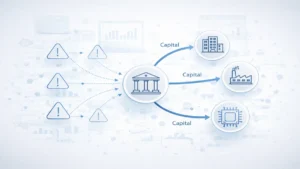
Banks don’t just make loans based on what they want—they must follow strict regulations designed to protect both borrowers and the financial system.
Regulators require banks to:
- Keep enough money aside in case loans aren’t repaid
- Avoid approving loans that could overextend borrowers
- Monitor loan portfolios to ensure they remain safe
These rules are why lenders ask detailed questions about your income, debt, and assets. They are not just for formality—they are part of a safety system that keeps lending sustainable.
Assessing Borrower Risk
One of the biggest parts of underwriting is figuring out how likely a borrower is to repay a loan. Lenders use several tools and measurements for this:
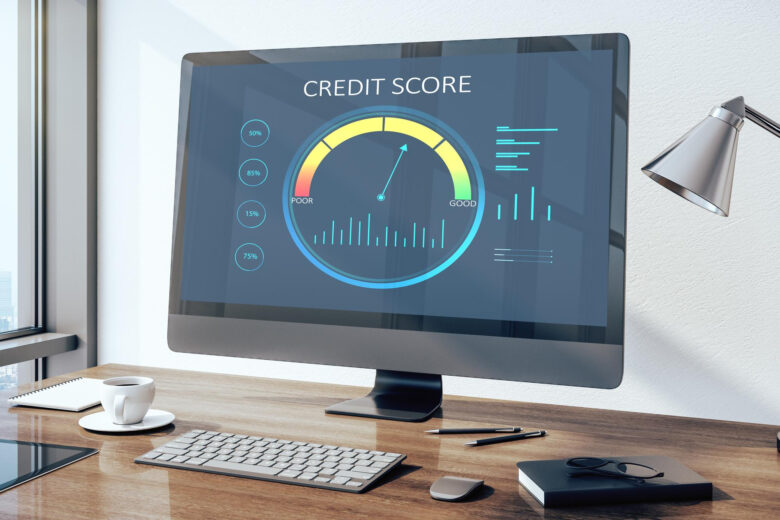
- Credit scores: Summaries of past borrowing behavior
- Debt-to-income ratios: Comparing total debt to income to see how much financial strain a borrower might have
- Income verification: Ensuring that the borrower has a stable and sufficient income to make payments
When I first learned about this, I was surprised by how detailed the process is. Lenders don’t just look at one factor—they combine many pieces of information to make smart decisions.
Collateral and Secured Loans
Collateral is something a borrower pledges as security for a loan. Mortgages, car loans, and some personal loans use collateral.
- If a borrower can’t repay the loan, the lender can recover some or all of the money by selling the collateral.
- Lenders assess the value of the collateral to make sure it’s enough to cover potential losses.
I used to think collateral was a guarantee that a loan was risk-free, but it’s actually just one part of the assessment. Even with a valuable asset, lenders still need to evaluate the borrower’s ability to repay.
How Loan Amounts and Interest Rates Are Decided
Underwriting also helps lenders determine how much to lend and at what interest rate. The process works like this:
- Borrowers with lower risk (good credit history, stable income) may get lower interest rates.
- Borrowers with higher risk may face higher rates or lower loan amounts.
This system ensures fairness—people who are more likely to repay get better rates, while lenders are protected from losses if a borrower can’t make payments.
Using Technology in Lending
Modern lenders increasingly rely on technology to improve underwriting. Automated systems can:
- Process applications faster
- Check multiple data sources simultaneously
- Predict repayment likelihood based on historical patterns
While these systems make lending more efficient, human oversight is still critical. Automated tools need careful monitoring to avoid mistakes or unfair decisions.
Continuous Monitoring and Loan Management
Underwriting doesn’t stop when a loan is approved. Lenders often monitor loans over time to detect early warning signs of repayment issues.
For example:
- A borrower missing payments may receive reminders or guidance
- Banks may adjust risk assessments for borrowers whose financial situation changes
I learned that this ongoing management is essential to keep both borrowers and the lender safe, especially in uncertain economic times.
Practical Lessons for Borrowers
Understanding underwriting can help you make better decisions as a borrower:
- Check your credit score regularly. A higher score can lead to better interest rates.
- Keep your debt manageable. High debt-to-income ratios may reduce your borrowing power.
- Be honest about income and expenses. Accurate information makes the process smoother.
- Understand collateral requirements. Know what assets you’re pledging and how they’re valued.
- Shop around. Different lenders may offer different terms based on their underwriting approach.
By keeping these points in mind, you can improve your chances of approval and get loans with favorable terms.
How Underwriting Supports Financial Stability
Underwriting isn’t just about individual loans—it plays a role in the overall health of the financial system. When banks assess risk carefully:
- Fewer loans go unpaid
- Banks stay financially strong
- Borrowers are less likely to face financial distress
It’s a cycle: responsible underwriting helps maintain trust between borrowers and lenders, which in turn supports broader economic stability.
The Human Side of Underwriting
Even with technology and regulations, underwriting has a human element. Loan officers and risk managers:
- Interpret financial data with judgment
- Consider special circumstances, like variable income or short-term financial challenges
- Communicate clearly with borrowers about loan terms and responsibilities
I realized that understanding underwriting is not just about numbers—it’s also about communication and transparency.
Conclusion
Consumer lending and underwriting may seem complicated at first, but the core ideas are straightforward: lenders must assess risk, ensure repayment capacity, and follow regulations to maintain a healthy financial system.
By understanding how underwriting works, both borrowers and lenders can make better decisions. Borrowers can improve their chances of approval, manage debt responsibly, and get fair rates. Lenders can maintain strong portfolios, comply with regulations, and contribute to financial stability.
In short, underwriting is the backbone of responsible lending—it protects everyone involved and keeps the financial system safe.
FAQs
1. What is the main purpose of underwriting in consumer lending?
Underwriting evaluates whether a borrower can repay a loan safely, protecting both the borrower and the lender.
2. How do lenders assess borrower risk?
Lenders use credit scores, debt-to-income ratios, income verification, and sometimes alternative data to determine repayment likelihood.
3. What is collateral, and why is it important?
Collateral is an asset pledged against a loan. It provides additional security for the lender if the borrower cannot repay.
4. How does technology impact modern underwriting?
Automated systems speed up application processing, integrate multiple data sources, and support predictive risk assessment, but human oversight remains crucial.
5. How does responsible underwriting benefit the financial system?
It reduces defaults, keeps banks financially stable, and ensures borrowers are not overextended, contributing to overall economic stability.