
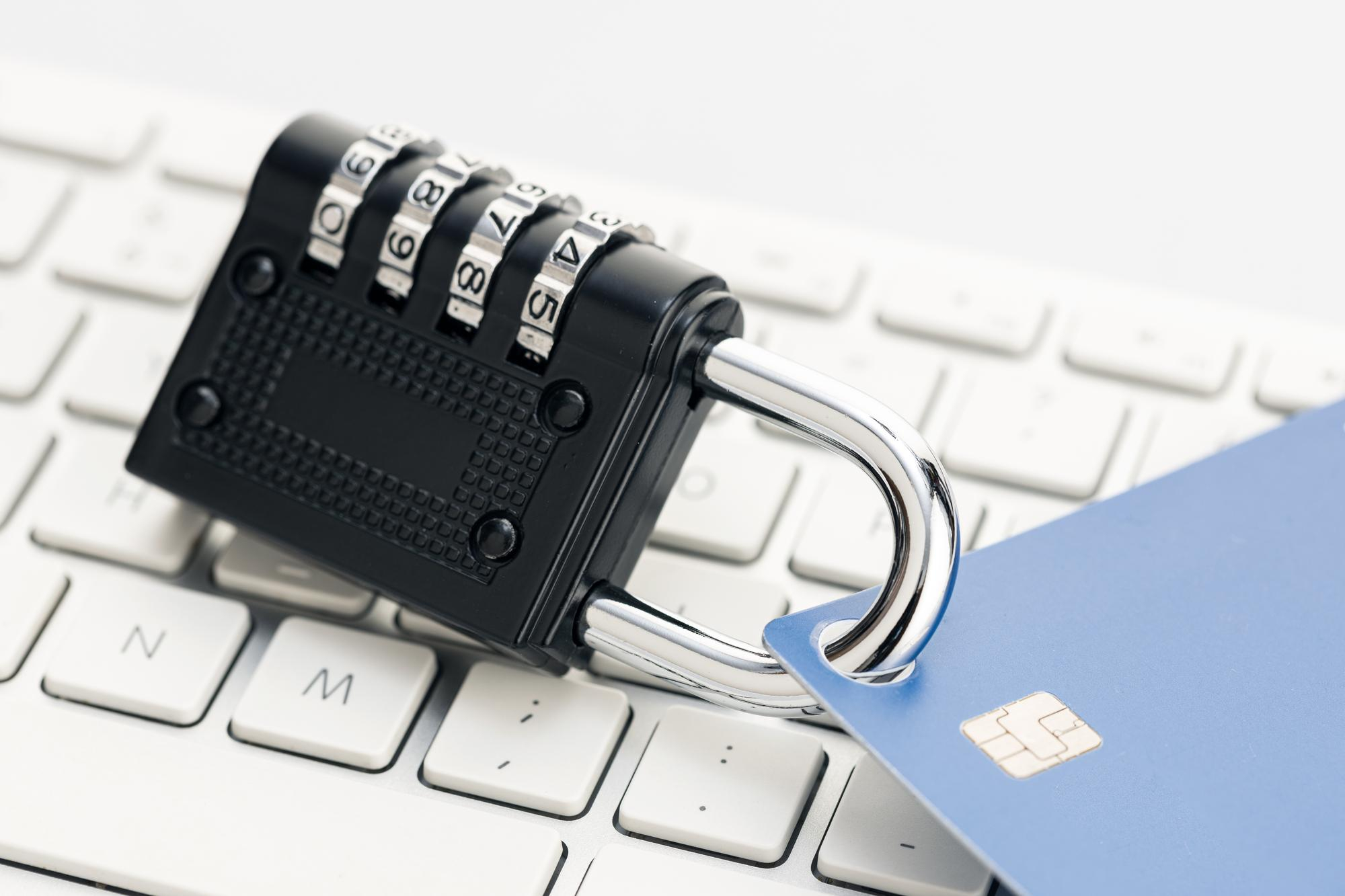
You use your debit card to buy your morning coffee. Later that day, your card refuses to process payment to buy an expensive laptop from a foreign website. You receive a text asking whether you authorised this payment.
How does your bank distinguish between the coffee and the laptop purchase?
You spend your day making purchases. At the same time, banks are monitoring transactions. Banks are the invisible security system, watching your purchases at all times. We are going to explain the importance of this monitoring system, how banks identify unusual purchases, and how it protects your money.
The Importance of Monitoring Purchases
How many purchases do you make in a week? Multiply that by the number of clients a bank has. An enormous amount of money is processed in transactions every second. Criminals may try to exploit these transactions.
If banks processed every transaction without performing due diligence, there would be a complete breakdown of the financial system. Account balances would drain, purchases would max out credit cards, and credit scores would collapse in a matter of hours.
Monitoring transactions preserves the foundation of the banking system: trust. People deposit their savings into banks, believing their funds will remain untouched. Bank employees will actively be searching for possible fraudulent activities to safeguard their clients’ money, so that individuals will continue to trust the bank’s business.
Ingenious Bank Fraud Detection Strategies
Banks will not be relying on the tedious manual sheet monitoring to track fraudulent activities, because the number of transactions will make that task impossible. Banks will leverage smart technology to assist in identifying fraud and help sort the overwhelming amount of noise. The main fraud prevention strategies will include the following measures:
Understanding Spending Habits
The instant that the individual sponsors an account, the bank will begin observing. Take, for example, the case in which the individual will always spend money to pay their gas on a Tuesday, order takeout on a Friday, and pay their electric bill on the final day of every month. The bank will also be aware of the particular places where the individual will always spend their money as well. If an individual’s credit or debit card is charged at a grocery store in Ohio and then, within two hours, the card is attempted to be used at a jewellery store in London, the bank’s system, through its technology, will be able to determine that this charge will be fraudulent in nature. The bank will be denying the transaction, leaving their system.
Watching the Clock and the Calendar
Fraud is a time-sensitive issue. After stealing a credit card, fraudsters know it’s only a matter of time before the owner realises it is missing and cancels it. Consequently, the more purchases they can make quickly, the more money they can steal.
Banks take note of this sort of behaviour. Buying three expensive gift cards in ten minutes raises a red flag and alerts the system. They also keep a watch on the time. If you don’t use your card from midnight to five in the morning, an outburst of online shopping at 3:00 AM will raise an alarm and cost you money.
Analyzing the Type of Purchase
Some items, like electronics or gift cards, can be easily resold, which is the reason thieves like them.
If you normally make small purchases, a large purchase of a $2,000 computer would look very suspicious, and the bank would detect a large, fraud-related purchase.
How This Invisible Shield Benefits You
While it can at times be a small headache/annoying to have a purchase blocked, the protection the system provides is beneficial for you.
Your greatest assurance is one of total peace of mind. You no longer need to constantly check your bank statements to see if there was a mistake. You can work, rest, and enjoy life knowing that a highly advanced system will still be there to look after your interests.
Total assurance protects against devastating financial loss. Because of sophisticated fraud detection, most banks provide zero-liability protection. If a criminal accesses your account and steals money, the bank covers the loss. In that case, you don’t lose anything.
Another effect of preventing fraud is that the cost of banking is kept lower. When fraud occurs, banks lose money and must pass the cost to customers through higher fees. But when banks are alert to fraud in transactions, the loss is kept at zero, saving millions, and it helps the affordability of banking for their customers.
What Happens When the Alarm Goes Off?
Once a bank identifies a transaction as fraud, it guarantees that the money will be stopped and the transaction frozen. The bank is then obligated to reach out and provide you with an opportunity to confirm if the transaction is fraudulent or not.
In instances of fraud, you will get a call, text, or email as a form of confirmation for the transaction. If the confirmation is that you authorised the transaction, the bank will unfreeze the transaction. If the confirmation is that you did not authorise the transaction, the bank will cancel that card, stop the transaction, and send you a new card with new numbers.
Conclusion
Your bank protects your monetary assets. They monitor your buying tendencies, track your habits, and scan for behavioural anomalies that allow them to build a thick wall of protection on your savings from any would-be criminals.
The next time your card declines for a suspect transaction, do your best to curb your frustration. Your bank’s security has sent you a text to inform you that the purchase you attempted to make is being denied, safeguarding your funds and allowing you time to devote to your life and the things you enjoy.
Frequently Asked Questions
Is it safe to provide information over the phone if my bank calls about suspicious activity?
You can never be too careful with calls that you did not initiate. Even when you think the caller is from your bank, it is best to end the call, find the official phone number by looking at the back of your bank card, and call the bank. If you do so, you make sure you speak to the bank’s employees rather than other people posing as your bank.
Will pulling up my account on my phone too often and making unusual purchases flag my card as suspicious?
Most banks’ systems are advanced enough to recognise unusual purchasing behaviour, such as shopping for the holidays or a trip. If you intend to make a foreign purchase or travel, inform your bank and post that your card will not be blocked for unusual activities.
What do I do if my card gets blocked and I have one legitimate transaction?
If you have performed a legitimate transaction but discover your card is blocked, you must follow standard procedures with your bank to confirm your actions. Normally, the bank will unblock your card, allowing you to use it again.
If I get a notification about a suspicious transaction, what should I do?
If your bank contacts you regarding a transaction you do not remember, please respond to them promptly. You must be sure to use the phone number provided to you or the banking application, and you must not hit any links provided in the email or text. You have to confirm the transaction you performed. If you discover a transaction you do not know about, it is critical to notify your bank so they can secure your account to block any further unauthorised actions.
