Simple Guide to Digital Financial Infrastructure and Core Systems

Most people use digital financial infrastructure on a daily basis without even realising it. When someone uses a banking app to transfer money, pays with a debit card, or receives an electronic transfer, they are relying on the invisible infrastructure that connects banks, payment service providers, and financial institutions. This mechanism operates seamlessly in the … Read more

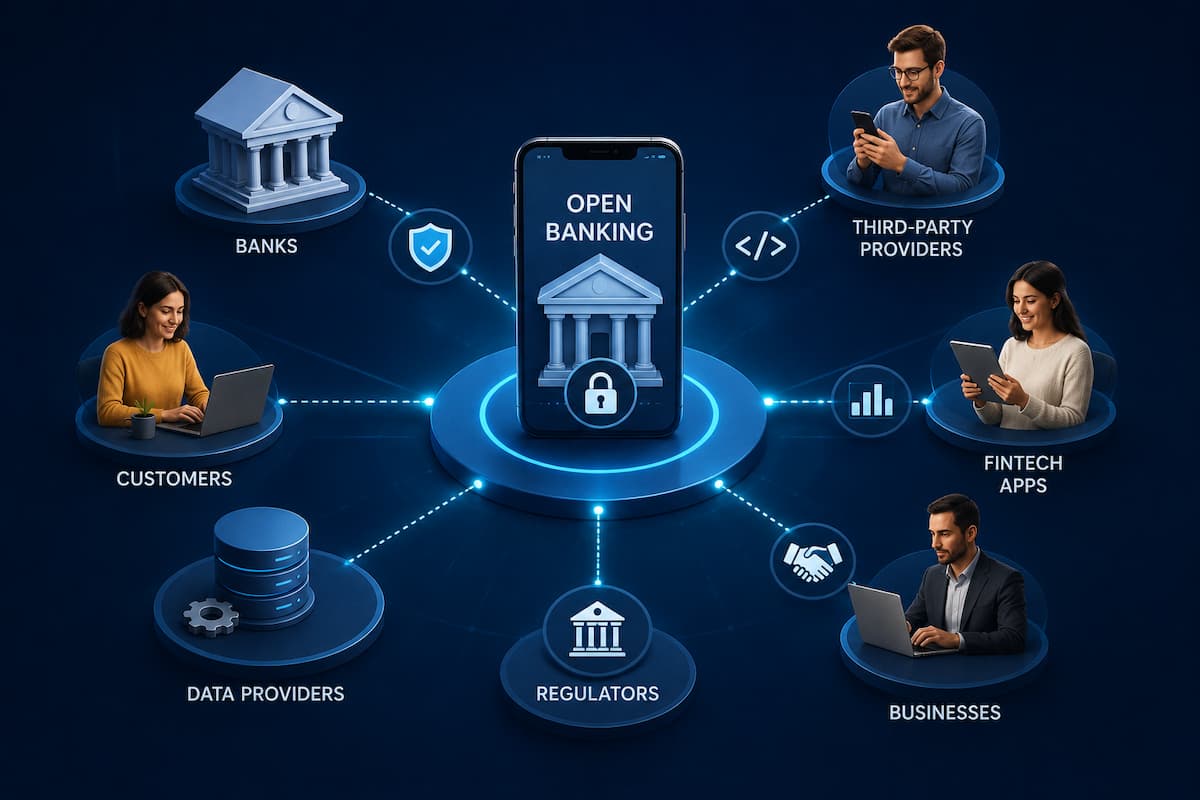
My Step-by-Step Guide to Understanding Open Banking Ecosystems

I still remember the first time I connected my bank account to a budgeting app. It felt slightly uncomfortable at first—like opening a door to my financial life. But within minutes, all my accounts, spending categories, and savings goals appeared in one clean dashboard. That moment made me realize something powerful: banking was no longer … Read more

How Real-Time Payments Actually Work Behind the Scenes

In today’s digital world, sending money has become almost effortless. You tap a few buttons on your phone, confirm a payment, and within seconds the other person receives the money. This experience is what we commonly call real-time payments. But behind that simple moment of “sent” and “received,” there is a complex system working in … Read more

How Small Fintech Startups Build Scalable Payment Systems

The Day Your Payment System Gets Its First Real Test Every fintech founder remembers the first time their product receives real traction. Maybe it’s a product launch, a partnership announcement, or a viral marketing moment. Suddenly, what used to be a steady trickle of transactions becomes a surge. For many startups, this moment reveals a … Read more

Cybersecurity Protocols in Financial Institutions

Digital connectivity has become a defining feature of modern financial systems. Payment networks, trading platforms, banking applications, and global settlement systems all rely on continuous data sharing. As money increasingly moves through digital channels, the resilience of financial institutions depends heavily on the strength of their cybersecurity frameworks. Regulators recognize this relationship and have integrated … Read more

Identity Verification Systems in Online Banking

Advanced banking systems operate within a heavily regulated environment, where access controls, anti-money laundering (AML) compliance, and customer protection standards intersect. As banks move client onboarding and transaction processing to digital channels, identity verification systems have become central to operational resilience. Regulators expect banks to ensure that account holders are properly identified, unauthorized access is … Read more

Blockchain Settlement Systems in Capital Markets

Capital markets infrastructure has undergone significant modernization, driven by regulatory demands for transparency, faster settlement cycles, and enhanced operational resilience. Clearinghouses, central securities depositories, and payment systems form the backbone of financial market stability, but they also face pressures to reduce counterparty risk and streamline post-trade processes. Distributed ledger technology (DLT), commonly referred to as … Read more