
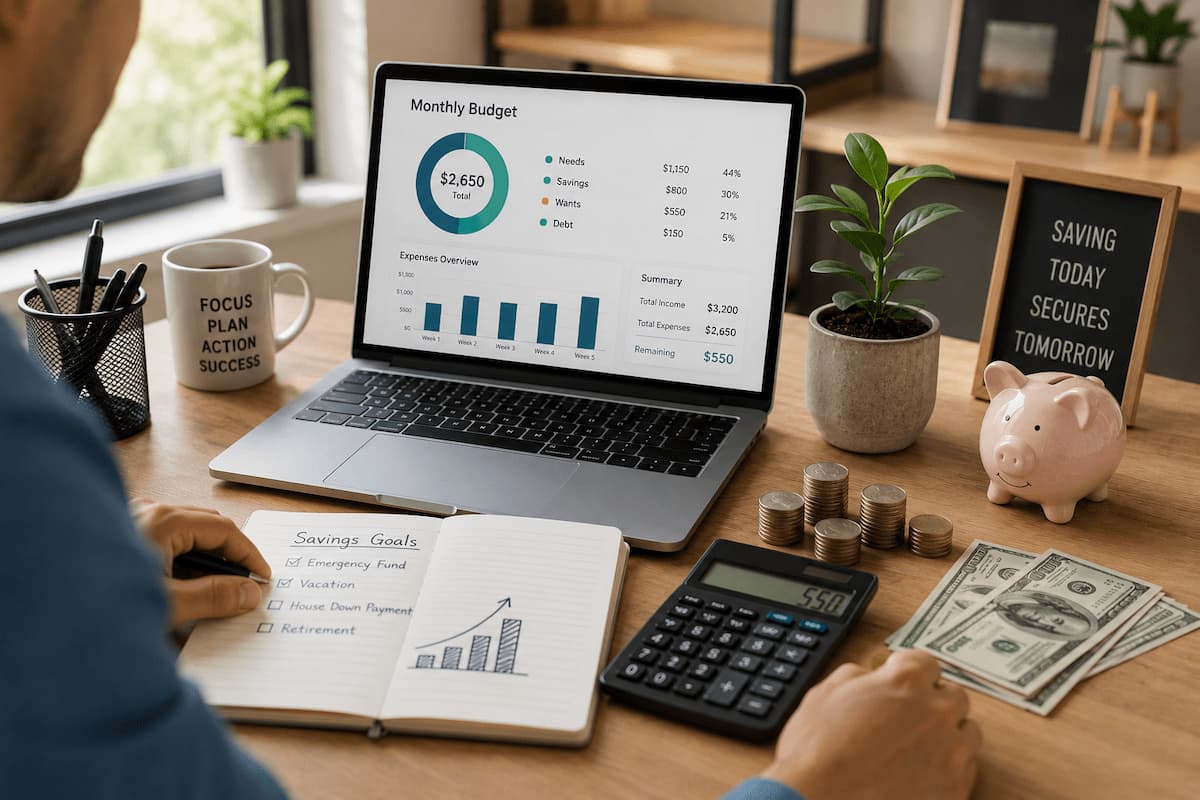
Understanding Why Money Habits Matter
Your financial situation is shaped by the choices you make repeatedly. A single purchase may not seem important, but hundreds of small decisions throughout the year can have a major impact. Healthy money habits create a system that helps you make thoughtful decisions instead of reacting to financial problems.
For example, someone who regularly checks their spending may notice unnecessary subscriptions or frequent small purchases that reduce their ability to save. Another person who automatically saves part of their income may slowly build financial security without feeling a major impact on their daily lifestyle. Good money habits are not about avoiding every enjoyable purchase. They are about balance. The goal is to spend money on things that matter while protecting your future needs.
How Healthy Money Habits Improve Your Life
- Less financial stress: Knowing where your money goes can reduce worry.
- Better decision-making: A clear financial plan helps you avoid emotional choices.
- More freedom: Savings and controlled spending create more options in life.
- Future preparation: Good habits help you handle emergencies and long-term goals.
| Unhealthy Money Habit | Healthy Alternative |
|---|---|
| Spending first and saving what remains | Saving first and planning spending with the remaining money |
| Ignoring bank statements | Regularly reviewing income and expenses |
| Using credit for unnecessary purchases | Planning purchases and saving ahead |
| Only thinking about today | Balancing current needs with future goals |
Tip: Financial improvement usually comes from small actions repeated consistently, not from one big change.
Tracking Your Money Before Making Changes
One of the most important healthy money habits is understanding where your money currently goes. Many people try to improve their finances without first knowing their spending patterns. This is similar to trying to improve your health without knowing your current lifestyle habits.
Tracking your money does not mean writing down every purchase forever. It simply helps you understand your financial behavior. A short tracking period of 30 days can reveal useful information about your spending habits.
What You Should Track
- Monthly income after taxes
- Housing costs
- Food and groceries
- Transportation expenses
- Subscriptions and memberships
- Entertainment spending
- Debt payments
- Savings contributions
Simple Ways to Track Expenses
You can choose the method that feels easiest to maintain. The best system is the one you will actually use.
| Method | Best For | Advantages |
|---|---|---|
| Notebook tracking | People who prefer simplicity | Easy and requires no technology |
| Spreadsheet | People who enjoy organizing data | Allows detailed analysis |
| Budgeting apps | People who prefer automation | Can categorize expenses automatically |
| Bank statements | Quick financial reviews | Shows real spending history |
Common Tracking Mistakes
- Tracking only large expenses while ignoring small purchases
- Stopping after a few days because it feels inconvenient
- Judging yourself instead of learning from the information
- Forgetting irregular costs such as annual fees or repairs
Warning: Avoid creating a budget based on assumptions. Use your actual spending history to create a realistic plan.
Creating a Realistic Budget That Works
A budget is not a punishment or a restriction. It is a plan that gives your money a purpose. Many people avoid budgeting because they think it means giving up everything they enjoy. A healthy budget does the opposite: it helps you spend confidently because you know your limits.
A good budget considers your needs, goals, and lifestyle. It should be flexible enough to handle real life because unexpected expenses are normal.
The Basic Parts of a Budget
| Category | Examples |
|---|---|
| Needs | Rent, utilities, groceries, transportation |
| Financial Goals | Savings, investments, debt repayment |
| Wants | Entertainment, hobbies, dining out |
| Unexpected Costs | Medical bills, repairs, emergencies |
A Simple Budgeting Process
- Calculate your monthly income.
- List all fixed and variable expenses.
- Identify areas where spending can improve.
- Set savings and financial goals.
- Review your budget regularly and adjust when needed.
One popular budgeting approach is the 50/30/20 method. This method suggests using approximately 50% of income for needs, 30% for wants, and 20% for savings or debt repayment. However, these numbers are only guidelines. Your personal situation may require a different balance.
Making a Budget Sustainable
The biggest budgeting mistake is creating a plan that is too strict. If a budget removes every enjoyable activity, it becomes difficult to maintain. Instead, include reasonable spending for things that bring value to your life.
A sustainable budget focuses on progress rather than perfection. Missing a goal one month does not mean failure. The important habit is reviewing your choices and continuing forward.
Building the Habit of Saving Regularly
Saving money is one of the strongest financial habits because it creates protection and flexibility. Many people think saving is only possible after earning a high income, but this is a common misunderstanding. The habit of saving matters more than the amount you start with.
A person who consistently saves a small amount every month is building financial discipline. Over time, those small contributions can become a useful safety net for emergencies, future purchases, education, travel, or retirement planning.
Why Saving Is Difficult for Many People
The biggest challenge with saving is that people often save whatever is left after spending. Unfortunately, there is usually very little money remaining because daily expenses naturally expand. A better approach is to treat saving as a regular responsibility, similar to paying a bill.
Instead of saying, “I will save if I have extra money,” create a habit where saving happens first.
Simple Ways to Build a Saving Habit
- Start with a small amount that feels comfortable.
- Set up automatic transfers after receiving income.
- Create separate savings accounts for different goals.
- Increase savings gradually when your income improves.
- Avoid taking money from savings for unnecessary purchases.
| Saving Goal | Purpose | Suggested Approach |
|---|---|---|
| Emergency savings | Unexpected expenses | Build slowly until you have several months of essential expenses covered |
| Short-term savings | Vacations, electronics, special purchases | Save a fixed amount monthly |
| Long-term savings | Retirement or major life goals | Use consistent contributions over many years |
Expert Tip: Make saving automatic whenever possible. A system removes the need to rely only on motivation.
Developing Smart Spending Habits
Spending money is a normal part of life. Healthy financial habits do not mean avoiding all purchases. They mean understanding the difference between spending that improves your life and spending that creates unnecessary financial pressure. Smart spending begins with awareness. Before making a purchase, ask yourself whether it matches your needs, values, and financial goals.
The Difference Between Needs and Wants
| Needs | Wants |
|---|---|
| Food and basic groceries | Eating at expensive restaurants frequently |
| Basic transportation | Upgrading a vehicle without a real need |
| Essential clothing | Buying clothes because of trends |
| Housing expenses | Luxury upgrades beyond your budget |
Practical Spending Rules
- Wait before buying expensive items.
- Compare prices before major purchases.
- Avoid shopping when emotional or stressed.
- Create a list before going grocery shopping.
- Review subscriptions you no longer use.
The Hidden Cost of Small Purchases
Small purchases often seem harmless because each one costs only a little. However, repeated spending can become a large monthly expense. A daily coffee, frequent food delivery, or unused subscription may quietly reduce your ability to save.
The goal is not to remove every small enjoyment. The goal is to notice patterns and decide whether your money is being used in ways that truly matter to you.
Tip: Before buying something, ask: “Will this purchase still feel valuable one month from now?”
Creating an Emergency Fund for Protection
An emergency fund is one of the most important parts of financial stability. Life is unpredictable, and unexpected costs can appear at any time. A medical expense, car repair, job change, or home problem can create serious stress if there is no money available. An emergency fund provides protection by giving you a financial cushion. It helps you handle problems without depending heavily on credit cards or loans.
How Much Should You Save?
The right amount depends on your personal situation. Many financial experts recommend building enough savings to cover several months of essential expenses. However, beginners should focus on creating the habit first.
Steps to Build an Emergency Fund
- Calculate your essential monthly expenses.
- Choose an initial savings target.
- Create a separate emergency savings account.
- Add money regularly, even if the amount is small.
- Use the fund only for genuine emergencies.
| Emergency Expense | Should You Use Emergency Savings? |
|---|---|
| Urgent medical expense | Yes |
| Necessary home repair | Yes |
| Replacing a broken essential appliance | Usually yes |
| New phone because of a preferred upgrade | No |
Common Emergency Fund Mistakes
- Keeping emergency money in an account that is too difficult to access.
- Using emergency savings for regular shopping.
- Waiting for a crisis before starting.
- Setting an unrealistic target and giving up.
Managing Debt With Healthy Strategies
Debt is a financial tool that can be useful when managed carefully. Loans can help people buy homes, continue education, or handle important expenses. However, unmanaged debt can create long-term stress and reduce financial freedom. Healthy money habits focus on understanding debt, making planned payments, and avoiding unnecessary borrowing.
Understanding Different Types of Debt
| Debt Type | Example | Important Consideration |
|---|---|---|
| Helpful debt | Education or home financing | Consider whether it supports long-term goals |
| High-cost debt | Credit card balances | Interest can grow quickly |
| Short-term borrowing | Personal loans | Needs careful repayment planning |
Strategies for Reducing Debt
There are different approaches to debt repayment. Two common methods are the debt snowball and debt avalanche strategies.
- Debt snowball: Focus on paying the smallest balance first. This can provide motivation through quick wins.
- Debt avalanche: Focus on paying the highest-interest debt first. This may reduce total interest costs.
Healthy Debt Habits
- Understand interest rates before borrowing.
- Pay bills on time to avoid extra fees.
- Avoid borrowing for unnecessary lifestyle upgrades.
- Create a repayment plan instead of making random payments.
- Review debts regularly.
Warning: Ignoring debt does not make it disappear. A clear repayment plan is usually the first step toward improvement.
Setting Financial Goals You Can Achieve
Financial goals give your money direction. Without goals, it is easy to spend without thinking about the future. A clear goal helps you decide what matters most and motivates you to make better choices. Good financial goals should be realistic, specific, and connected to your personal priorities.
Examples of Financial Goals
- Save a specific amount for emergencies.
- Pay off a certain debt within a planned period.
- Save for education or a major purchase.
- Build long-term retirement savings.
- Create a better monthly budget.
Using the SMART Goal Method
| SMART Element | Meaning |
|---|---|
| Specific | Clearly define what you want to achieve |
| Measurable | Track your progress |
| Achievable | Create a realistic target |
| Relevant | Choose goals that matter to you |
| Time-based | Set a deadline |
Breaking large goals into smaller steps makes them easier to achieve. Saving a small amount every week may feel easier than trying to save a large amount at once.
Improving Your Relationship With Income
Healthy money habits are not only about controlling expenses. Increasing your ability to earn money can also strengthen your financial position. While reducing unnecessary spending is helpful, there is often a limit to how much you can cut. Income growth can create new opportunities and improve financial flexibility.
A healthy approach to income starts with understanding your current earning situation and looking for realistic ways to improve it. This does not always mean changing careers or working longer hours. Sometimes, small improvements in skills, knowledge, or opportunities can make a difference over time.
Ways to Improve Your Income Potential
- Learn new skills related to your profession.
- Improve communication and problem-solving abilities.
- Ask for opportunities to take on additional responsibilities.
- Explore side projects that match your skills.
- Invest time in education and personal development.
Balancing More Income With Better Habits
A common mistake is increasing income but immediately increasing spending as well. This is called lifestyle inflation. For example, someone may receive a raise and quickly spend the extra money on expensive purchases instead of improving savings or reducing debt.
A stronger approach is to divide additional income wisely. You may choose to increase savings, pay down debt, invest for the future, and still allow some room for enjoyment.
| After Receiving More Income | Less Helpful Approach | Better Approach |
|---|---|---|
| Salary increase | Increase all spending immediately | Improve savings and financial goals first |
| Bonus payment | Spend without planning | Use part for goals and part for enjoyment |
| Extra earnings | Ignore where it goes | Give every dollar a purpose |
Planning for Long-Term Financial Growth
Healthy finances are not only about managing today’s money. They are also about preparing for the future. Long-term planning helps you handle important life stages, such as retirement, major purchases, family responsibilities, and unexpected changes.
Starting early can make financial growth easier because time allows savings and investments to build gradually. However, it is never too late to improve your financial habits.
Important Areas of Long-Term Planning
- Retirement planning: Building resources for life after regular employment.
- Insurance protection: Preparing for major risks and unexpected events.
- Investment education: Understanding ways to grow money over time.
- Estate planning: Organizing financial responsibilities for the future.
Building Financial Stability Step by Step
- Create a clear monthly budget.
- Build emergency savings.
- Reduce expensive debt.
- Save consistently.
- Learn about long-term financial options.
- Review your progress regularly.
Best Practice: Financial growth is usually the result of consistent habits maintained for years, not quick solutions.
Common Money Mistakes to Avoid
Learning what not to do is just as important as learning good habits. Many financial problems happen because of repeated small mistakes rather than one major decision.
1. Ignoring Your Financial Situation
Some people avoid checking their bank accounts or reviewing expenses because they feel uncomfortable. However, avoiding financial information usually makes problems harder to solve.
Regular financial reviews help you notice problems early and make better decisions.
2. Depending Completely on Credit
Credit can be useful, but relying on borrowed money for everyday expenses can create financial pressure. Healthy money management means understanding when borrowing is helpful and when it creates unnecessary risk.
3. Not Preparing for Unexpected Costs
Many people create budgets that include regular bills but forget irregular expenses. Car repairs, medical costs, home maintenance, and annual payments should also be considered.
4. Comparing Your Finances With Others
Social media often shows only a small part of someone’s financial life. Comparing your spending, lifestyle, or achievements with others can lead to unnecessary purchases and financial stress.
5. Waiting for the Perfect Time to Start
Many people delay improving their finances because they think they need a large income or perfect conditions. In reality, small improvements today can create meaningful progress over time.
| Common Problem | Healthy Solution |
|---|---|
| No savings | Start with a small automatic contribution |
| Overspending | Track expenses and create spending limits |
| Financial confusion | Learn basic money management skills |
| Debt stress | Create a repayment strategy |
Using Technology to Improve Money Management
Technology can make managing money easier when used correctly. Digital tools can help track spending, organize budgets, monitor accounts, and remind you about important payments.
However, technology should support your financial habits rather than replace your understanding. A budgeting app cannot create financial discipline by itself. The most important factor is how consistently you use the tools.
Helpful Financial Technology Uses
- Automatic savings transfers
- Expense tracking applications
- Digital bill reminders
- Online banking alerts
- Spending reports and categories
Using Technology Safely
- Create strong passwords for financial accounts.
- Enable additional security features when available.
- Avoid sharing account information unnecessarily.
- Review transactions regularly.
- Be careful with unknown financial apps.
FAQs
1. How long does it take to build healthy money habits?
Building financial habits depends on your situation and consistency. Some changes, such as tracking expenses, can begin immediately. Other habits, like building savings or reducing debt, may take months or years. The important part is creating systems that you can maintain. Small improvements repeated regularly often create stronger results than making extreme changes that are difficult to continue.
2. Can I improve my finances with a low income?
Yes, healthy money habits can benefit people at any income level. While income affects available choices, good financial practices such as budgeting, reducing unnecessary spending, and saving regularly can still make a difference. If possible, improving skills and finding ways to increase income can also support long-term progress.
3. Should I save money or pay off debt first?
The best approach depends on your personal situation. Many people benefit from creating a small emergency fund while also making progress on debt payments. Having some savings can prevent new debt when unexpected expenses appear. For high-interest debt, paying it down quickly is often a priority because interest costs can grow over time.
4. How can I stop overspending?
Start by understanding why you spend more than planned. Some spending happens because of habits, emotions, convenience, or lack of planning. Tracking purchases, creating limits, waiting before buying, and setting clear financial goals can help you make more intentional decisions.
Conclusion
Healthy money habits are built through small, consistent actions. You do not need complicated financial strategies to improve your situation. Understanding your spending, creating a realistic budget, saving regularly, managing debt carefully, and planning for the future can create a stronger financial foundation.
The most important step is simply beginning. A small improvement today can become a valuable habit over time. Review your financial choices regularly, learn from your progress, and continue building habits that support your goals. Financial strength is not about perfection. It is about making thoughtful decisions that help you feel more prepared, confident, and in control of your money.
